Spray Foam Insulation in Church and Wellesley, ON
Insulation for Victorian houses and for the homes above the Church Street commercial strip, planned around how each building was actually put together.
We bring spray foam insulation and other insulation work to Church and Wellesley, the historic community between Gerrard, Yonge, Charles and Jarvis streets. We're about 4 km away.
Victorian houses from the late 19th and early 20th century
Church and Wellesley sits roughly between Gerrard Street, Yonge Street, Charles Street and Jarvis Street. It's a historic community, with Victorian houses and apartments from the late 19th and early 20th century. A house from that period may have been built with little or no insulation. Whatever is in it now went in later, usually a bit at a time and by different owners.
We insulate a Victorian house of that age one part at a time, starting with the roof and the basement. Warm air leaks out through the top of a house and pulls cold air in near the bottom, so sealing and insulating those two ends does the most for comfort before anyone has to open a wall.
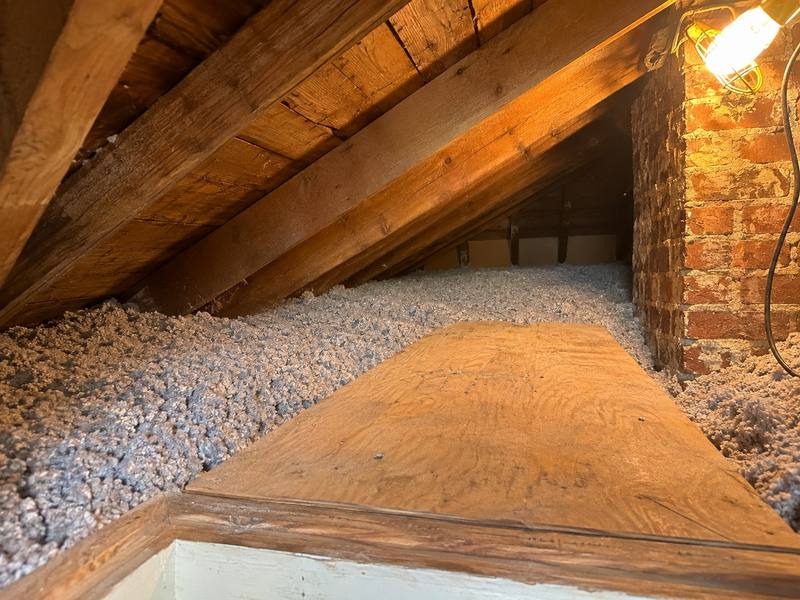
Spray foam insulation goes where an old house is awkward: closed-cell foam on the rim joists, where the floor framing meets the foundation, and in ceiling cavities too tight to fill any other way. If the attic floor has room to work, blown-in cellulose or fibreglass is often better value. We seal the gaps around chimneys and plumbing stacks first, then lay it deep and even.
Walls come later, if at all. Empty framed cavities can be filled with dense-packed cellulose blown through small holes, which we patch afterwards. Solid masonry walls are a different job, and we look at them properly before suggesting anything.
Houses converted to apartments
In a house split into units, the roof and the basement belong to the whole building, so we insulate them for the whole building rather than for one unit. The cold top-floor unit and the draughty lower one usually trace back to the same roof and the same foundation, which means the owner only has to decide on that work once.
Rim joists matter most here. They're the boards that cap the ends of the floor joists on top of the foundation wall, and in an old house they leak air along the full length of the building. Closed-cell spray foam sprayed against them stops that air, and it does not hold damp against the wood the way a batt can.
For a lower unit, basement insulation covers the foundation walls as well as the rim joists. The people living there get a warmer floor and fewer draughts along the baseboards.
Inside each unit, we work out the plan with the owner: which walls face outside, which ceilings sit under the roof, and which walls are shared between units. A shared wall usually needs sound control more than heat control. We'll tell you that rather than fill it with foam it doesn't need.
Above the commercial strip on Church Street
The core commercial strip of Church and Wellesley runs along Church Street. If your unit is above a business and has no attic, the space between your ceiling and the roof deck is a closed cavity, and closed-cell spray foam is the material that suits it.
Closed-cell foam gives more insulation per inch than batts or loose fill, and at full depth it works as its own vapour barrier. In a cavity with little or no ventilation, that's what you want. It keeps warm, moist air from the unit off the cold underside of the roof deck, which is where condensation and mould would otherwise start.
Before we spray, we open the ceiling in one spot to check the cavity depth, the state of the roof deck and any wiring running through it. If the building has a flat roof due for replacement, rigid insulation boards can also go on top, under the new membrane. Our roof insulation page covers both methods and when each one makes sense.
Close by: Summerhill, The Annex and Kensington Market
We also work in the neighbourhoods next to Church and Wellesley. Summerhill, The Annex and Kensington Market each have their own page, covering the local details that change how insulation goes in there.
If you own buildings in more than one of these areas, the order of work is the same in each: roof and basement first, walls when units are renovated.
Local details for Church and Wellesley
- Postal codes: M4Y
- Distance: About 4 km away in a straight line
- Permit rules: toronto.ca
- Nearby: Summerhill, The Annex, Kensington Market
About Church and Wellesley: Church and Wellesley, ON on Wikipedia · Church and Wellesley on Google Maps
FAQ
Insulation questions from Church and Wellesley
Yes. We do it one part at a time, starting with the roof and the basement, where an old house loses the most heat. Spray foam goes on the rim joists and into tight ceiling cavities, and blown-in insulation covers an open attic floor. We decide about the walls once we've seen how they're built.
Yes. If the unit has no attic, the ceiling cavity under the roof can take closed-cell spray foam, which insulates and blocks moisture in one shallow layer. We check the cavity depth and the roof deck first, and the building owner has to sign off on the work.
No. The city doesn't require a building permit to add or replace insulation, though the work still has to meet the Zoning Bylaw.
Services
Services in Church and Wellesley, ON
Attic Insulation
Learn more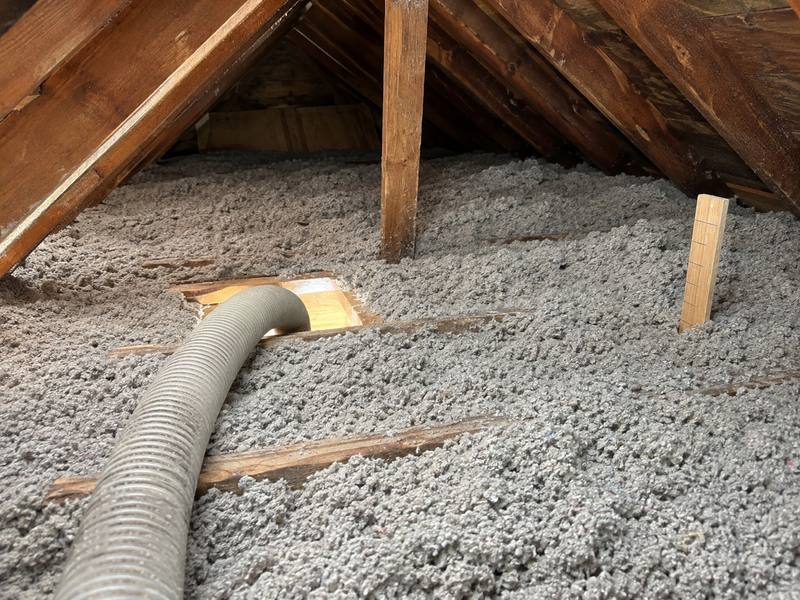
Loose-Fill (Blown-In) Insulation
Learn more
Old Insulation Removal
Learn more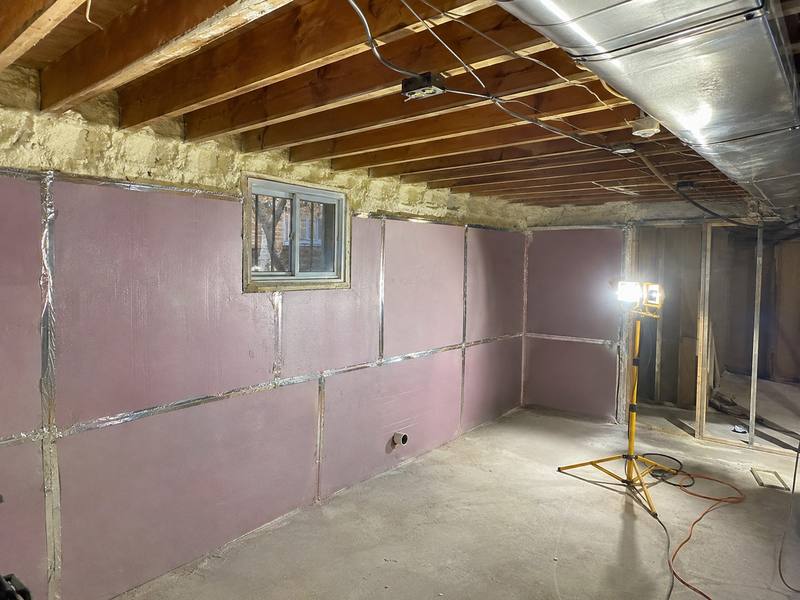
Basement Insulation
Learn more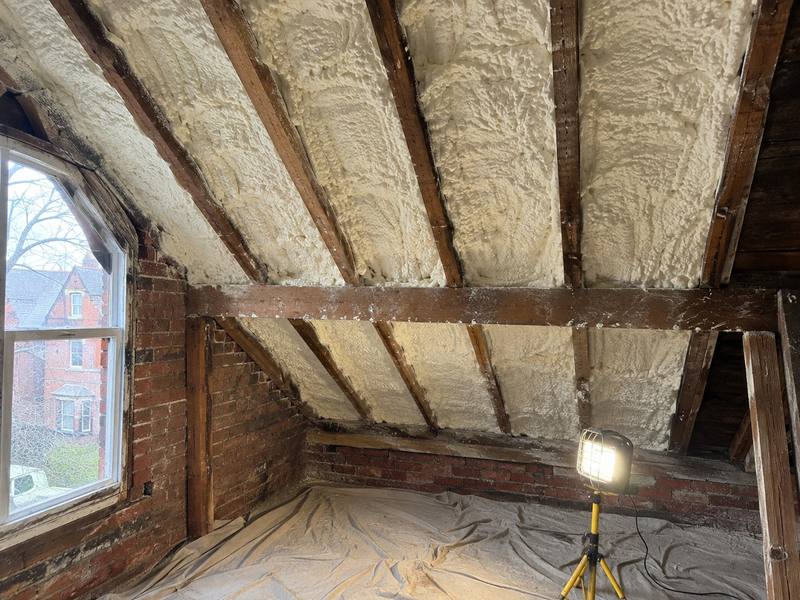
Roof & Flat Roof Insulation
Learn more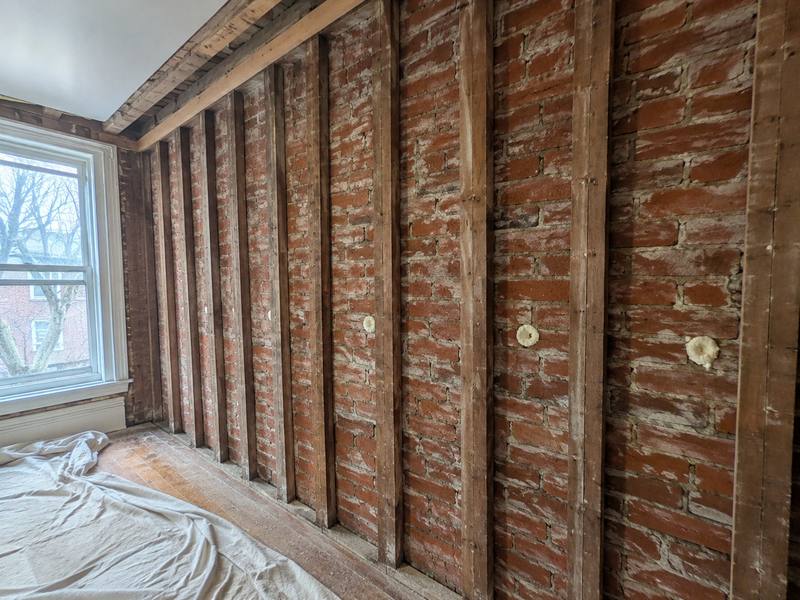
Wall Insulation
Learn more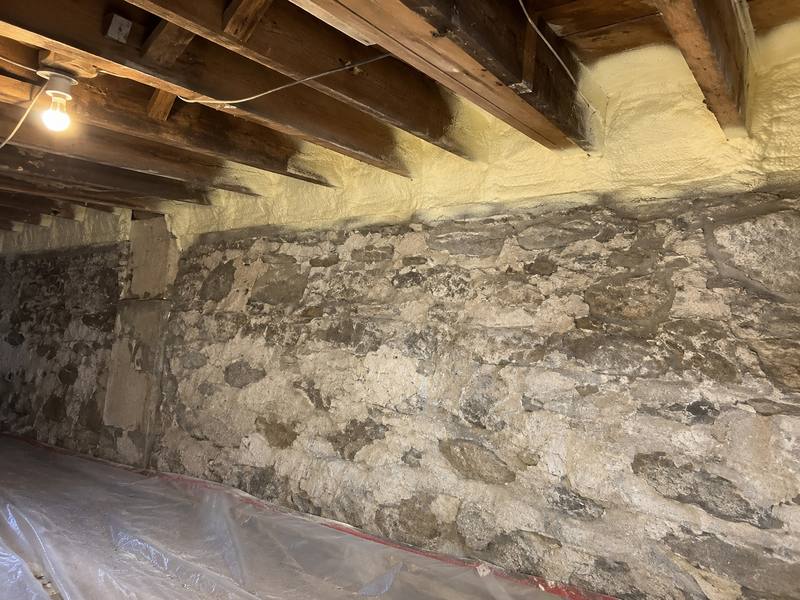
Closed-Cell Spray Foam
Learn more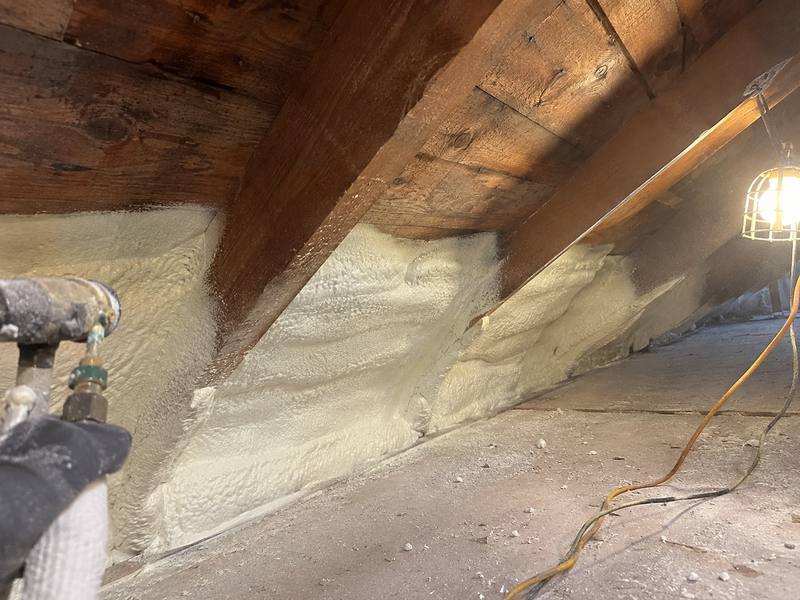
Open-Cell Spray Foam
Learn more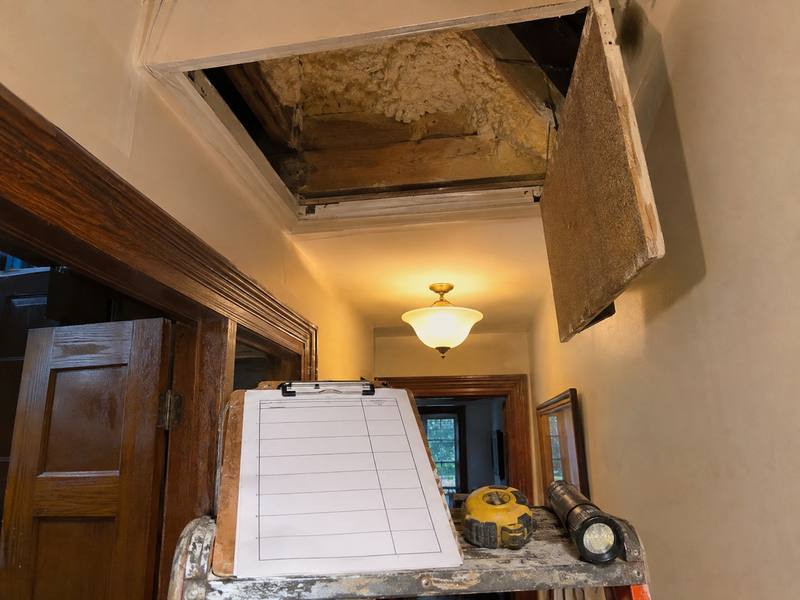
Spray Foam Insulation Cost
Learn more
Get a Quote
Request an insulation visit in Church and Wellesley
Tell us the address and which part of the house bothers you, whether that is a cold top floor, a drafty basement or a ceiling with no attic above it. Phone or use the form. We'll set up a time to look at the house, then give you a written quote.