Spray Foam Insulation in Parkdale, ON
Spray foam, attic, basement and wall insulation for the foursquares, semis and divided houses of Parkdale.
We install spray foam insulation in Parkdale homes, about 2 km from us. Most Parkdale houses fall into a few types, and each type loses heat in its own places.
Roncesvalles foursquares from 1900 to the First World War
Roncesvalles was mostly built between 1900 and the First World War, and nearly all of its houses are foursquares. A foursquare is a boxy two-storey house on a simple footprint, so its heat escapes through only a few places. The roof and the top-floor ceiling come first. Warm air rises up the stairwell and slips through every gap in that ceiling into the space above.
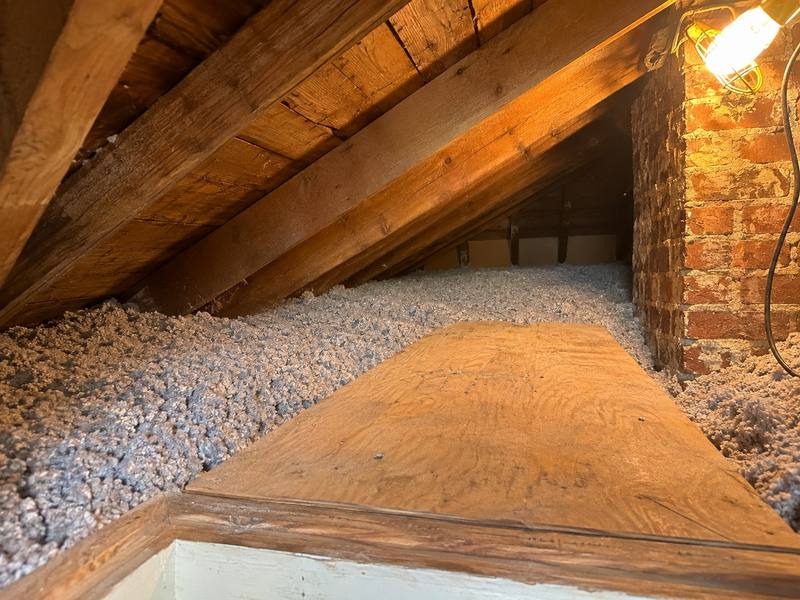
If you can get into the attic, we air seal the ceiling around the chimney and plumbing stacks before any insulation goes down. Then we build up the depth over the ceiling joists. Our attic insulation page covers the materials and depths. If the attic is too tight to work in, the other route is closed-cell spray foam on the underside of the roof deck, which makes the attic part of the heated house.
Next we look at the rim joists. A rim joist is the band of framing that sits on the foundation wall where the floor joists end. In older houses it is often bare wood, with outside air leaking past it. Closed-cell spray foam sprayed into each joist bay closes it off.
Larger homes on High Park Gardens and High Park Boulevard
A lot of large homes went up on High Park Gardens and High Park Boulevard between 1910 and 1930, and many of the big houses in the area were later divided into apartments. As far as the heat is concerned, a divided house is still one building. Warm air escapes at the top and pulls cold air in at the bottom, wherever the unit lines fall.
So we insulate a house split into apartments as one building, starting with the roof and basement. Insulating the walls of one unit while heat pours out through the roof above everyone does little for anyone's heating bill. The top of the house gets the same treatment as a foursquare: air seal first, then insulate the ceiling or the roof deck.
If there is an unfinished basement, the rim joists and foundation walls come next. That work happens in shared space, so we don't need to go into each apartment. Our basement insulation page explains how we insulate foundation walls and rim joists with spray foam or rigid board.
Semis and detached houses on the side streets
Most Parkdale side streets are lined with semi-detached and detached homes, many of them from the 19th and early 20th century. In a semi, the shared party wall loses little heat because your neighbour's home is on the other side of it. Most of the loss goes through the exterior walls and the roof.
If your walls have empty cavities, a renovation is the best time to fill them. With the walls open from the inside, we spray open-cell or closed-cell foam straight into the stud bays before the new drywall goes up. Closed-cell foam is denser. At full thickness it stops air and slows vapour, and it stiffens the wall it bonds to. Open-cell foam expands further into odd-shaped cavities but lets moisture through, so in this climate it needs a vapour retarder on the warm side.
If the walls are staying closed, we can blow dense-packed insulation in through small holes and patch them afterward. The wall insulation page compares the two methods, and our home page describes the closed-cell and open-cell spray foam we use.
Close by: Little Portugal, Brockton and Dufferin
We also insulate homes in Little Portugal, Brockton and Dufferin, and each of those pages covers the house types you'll find there.
We work the same way on both sides of a neighbourhood line. We check the roof and rim joists first, then the walls, and the house tells us which spray foam or loose-fill method fits.
Local details for Parkdale
- Postal codes: M6R
- Distance: About 2 km away in a straight line
- Permit rules: toronto.ca
- Nearby: Little Portugal, Brockton, Dufferin
About Parkdale: Parkdale, ON on Wikipedia · Parkdale on Google Maps
FAQ
Insulation questions from Parkdale
We insulate a Roncesvalles foursquare at the top and bottom first: the top-floor ceiling or roof, then the rim joists. We air seal the ceiling before adding insulation, or spray closed-cell foam on the roof deck if the attic is too tight to work in. The walls are best done when you renovate and the cavities are open.
Yes, as long as the work is planned for the whole building. The roof and basement are usually shared space, so we can spray the rim joists and roof deck without working inside each unit. Occupants need to stay out of the area being sprayed until the foam has cured.
No, the City does not require a building permit to add or replace insulation in Parkdale. The work still has to meet the Zoning Bylaw.
Services
Services in Parkdale, ON
Attic Insulation
Learn more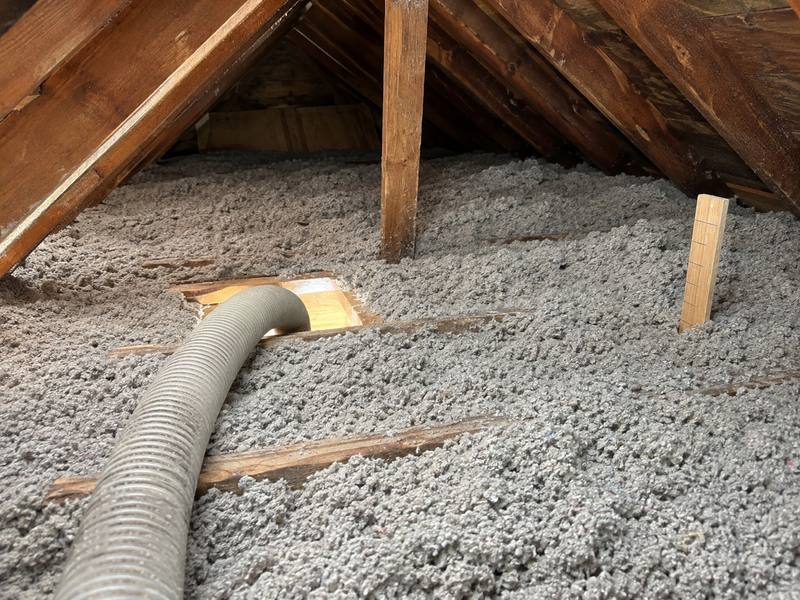
Loose-Fill (Blown-In) Insulation
Learn more
Old Insulation Removal
Learn more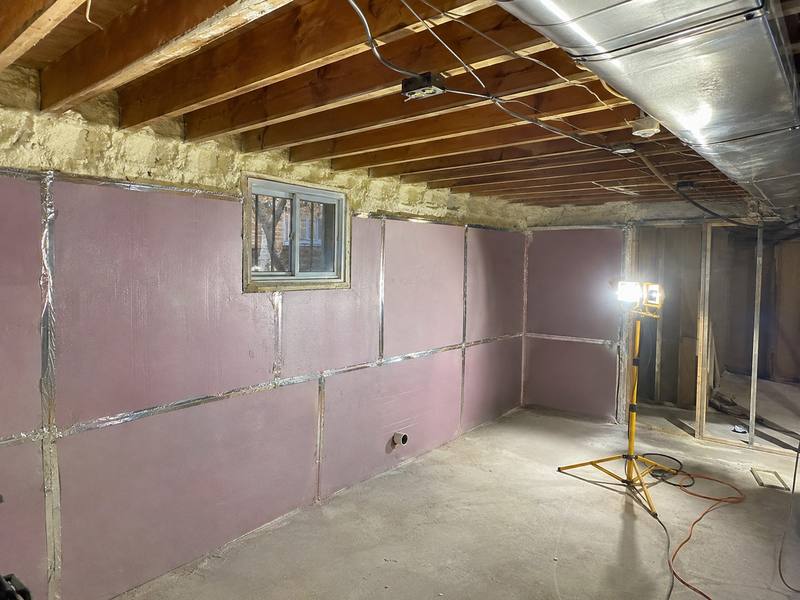
Basement Insulation
Learn more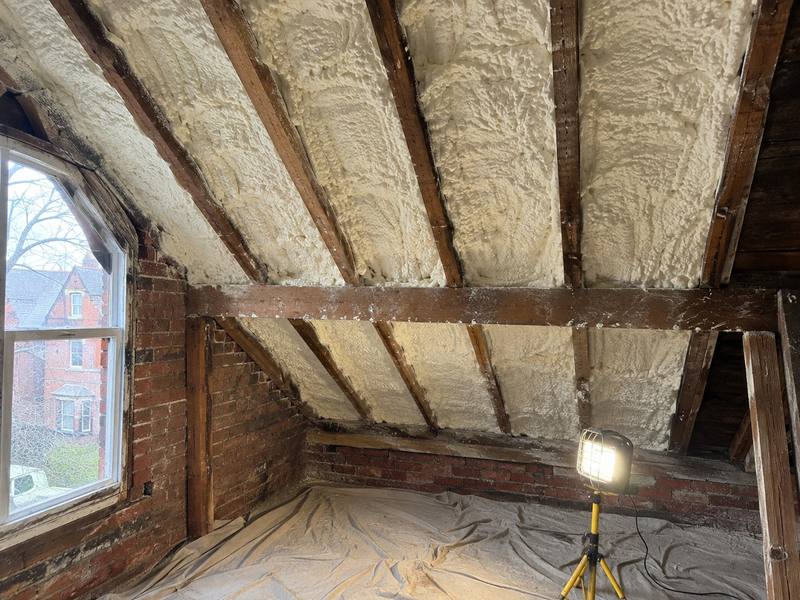
Roof & Flat Roof Insulation
Learn more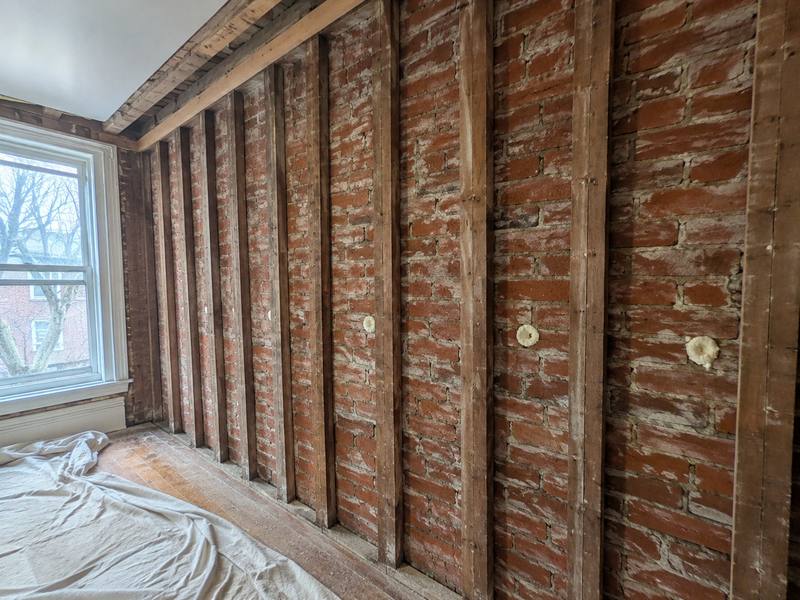
Wall Insulation
Learn more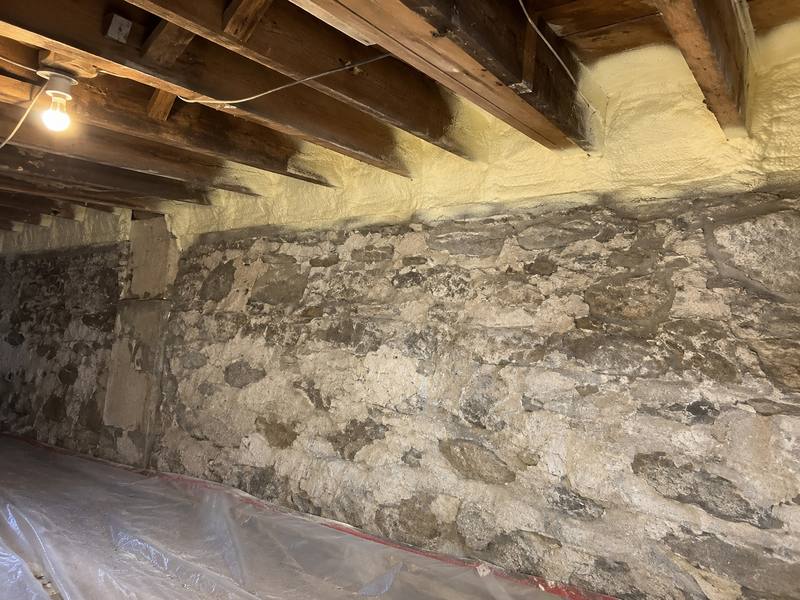
Closed-Cell Spray Foam
Learn more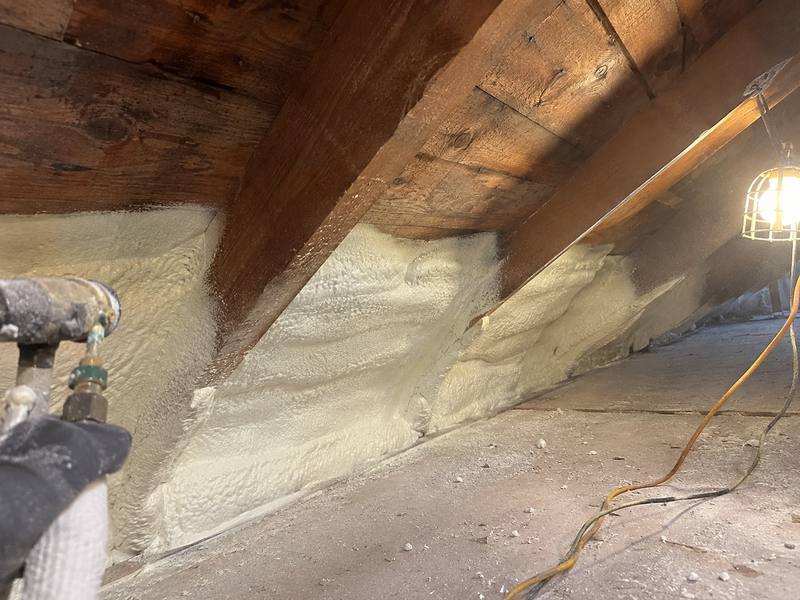
Open-Cell Spray Foam
Learn more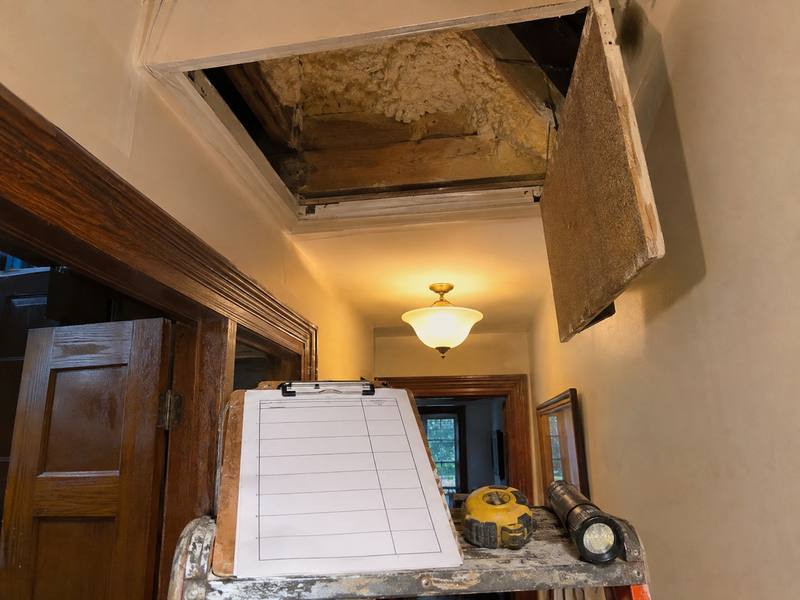
Spray Foam Insulation Cost
Learn more
Get a Quote
Request an insulation visit in Parkdale
Tell us the address and which part of the house bothers you, whether that is a cold top floor, a drafty basement or a ceiling with no attic above it. Phone or use the form. We'll set up a time to look at the house, then give you a written quote.