Spray Foam Insulation in Forest Hill, ON
Insulation for the architect-designed brick houses of Forest Hill, the smaller homes in Upper Forest Hill, and houses in the middle of a renovation or rebuild.
We install spray foam insulation in Forest Hill, about 4 km from us. Some houses here are brick and masonry homes built under the architect rules of the 1920s to 1930s. Others are the smaller Upper Forest Hill homes of the 1940s and 1950s. Before we suggest a material, we look at how your house is built.
Open framing during a renovation or rebuild
A lot of Forest Hill homes have been heavily renovated, and some have come down completely to make way for large new houses. Either way, the framing sits bare for a while. That's the easiest time to insulate a house properly.
With the stud bays in the walls and the rafter bays under the roof open, closed-cell spray foam can go in before the drywall. We spray it onto the sheathing between the framing members. It bonds to the wood, fills in around wiring and blocking, and seals the joints that let air move through a wall. In a sloped ceiling, foam in the rafter bays keeps room air off the cold roof deck.
Once the drywall is up, that chance is gone. From then on you can only get into a wall through small holes for dense-packed fill, or by tearing the finish off again. If you're planning renovations or rebuilds, bring insulation into the plan while you can still see the framing.
Solid brick and masonry from the architect-rule years
In the 1920s to 1930s, Forest Hill's building codes said every home had to be designed by an architect and have a tree in the front yard. That gave the area a lot of brick and masonry mansions. Their solid walls set the rules for how spray foam insulation in Forest Hill goes in.
A solid brick and masonry wall is different from a wood-framed wall with a brick face. The brick has always dried in both directions, toward the inside and the outside. Insulating against it slows the drying on the inside. So the first job is fixing any wet spots, like a leaking eavestrough, a flashing seam over a window that has failed, or open mortar joints letting rain in. If you spray foam over a damp wall, the leak is still there. You just can't see it anymore.
Once the brick stays dry, the layer against it has to be airtight. When warm room air reaches cold brick, it leaves its moisture behind. Closed-cell foam sprayed straight onto the masonry stops the air and resists vapour, so damp indoor air doesn't get to the brick. We go through the method step by step on our page about insulating the walls of an old brick house.
Upper Forest Hill's smaller 1940s and 1950s houses
The Upper Forest Hill homes went up in the 1940s and 1950s. They're smaller than the older houses, though the lots are about the same size. With a smaller house, the insulation often goes in different places, and a different material can make more sense.
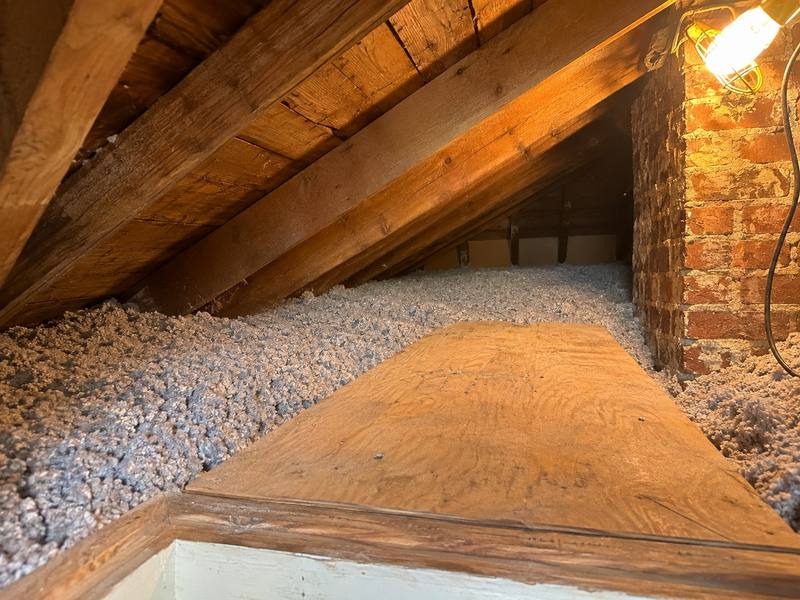
Say your Upper Forest Hill house has an open attic floor with room to move between the joists. That floor is a good fit for blown-in loose-fill insulation. The machine blows fill in around wiring, ceiling joists and light boxes and leaves no gaps. If the old layer is still dry and clean, we can build the depth up on top of it. Loose fill doesn't stop air, though, so we seal the holes where pipes, wires and fixtures come up into the attic before we start blowing.
These homes still need some spray foam. The rim joists, where the floor framing sits on the foundation wall, leak air at every joint, and batts are awkward to fit there. We spray closed-cell foam into each bay between the floor joists, closing every joint.
Close by: Humewood-Cedarvale, Summerhill and The Annex
We also work in the neighbourhoods right next to Forest Hill: Humewood-Cedarvale, Summerhill and The Annex. The houses are different in each, so each one has its own page: insulation in Humewood-Cedarvale, spray foam work in Summerhill and insulating houses in The Annex.
Our main page covers how the closed-cell and open-cell foam we spray differ, and where each one belongs in a house.
Local details for Forest Hill
- Postal codes: M5P
- Distance: About 4 km away in a straight line
- Permit rules: toronto.ca
- Nearby: Humewood-Cedarvale, Summerhill, The Annex
About Forest Hill: Forest Hill, ON on Wikipedia · Forest Hill on Google Maps
FAQ
Insulation questions from Forest Hill
Yes. Closed-cell spray foam can go against solid brick and masonry once the wall is dry. Any leaks from eavestroughs, failed flashing or open mortar joints need fixing first, because the foam slows down how fast the brick dries. Use closed-cell there. It stops air and resists vapour, which keeps damp room air off the cold brick.
Spray foam goes in once the framing, wiring and plumbing are finished and before the drywall goes up. The stud and rafter bays are still open then, so the foam can cover the sheathing and seal every joint. After the drywall is on, the only way to insulate a wall is through small drilled holes.
No. The City doesn't require a building permit to add or replace insulation in a Forest Hill house, but the work still has to meet the Zoning Bylaw. That's true for the attic, the walls and the rim joists alike.
Services
Services in Forest Hill, ON
Attic Insulation
Learn more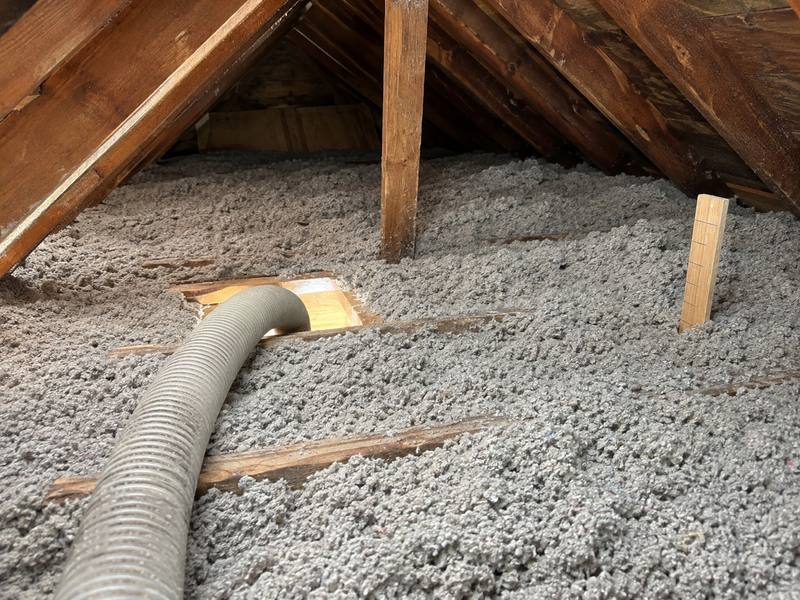
Loose-Fill (Blown-In) Insulation
Learn more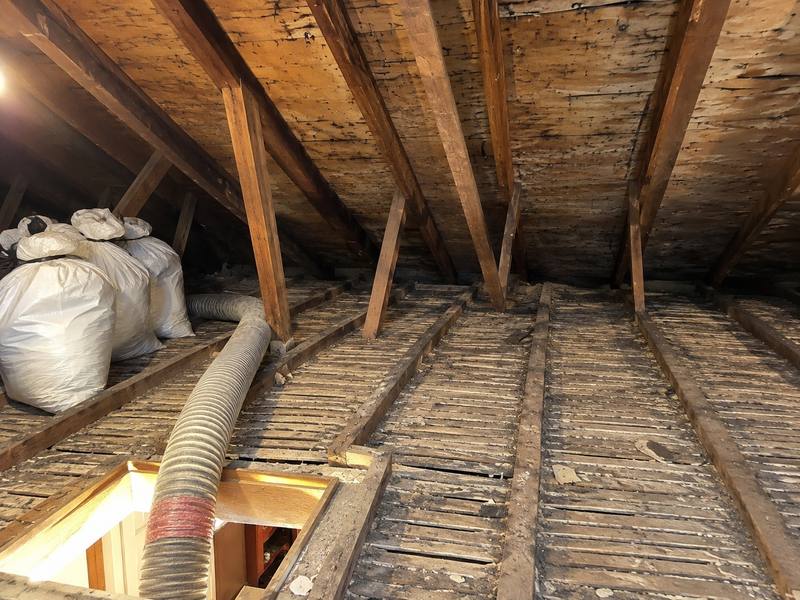
Old Insulation Removal
Learn more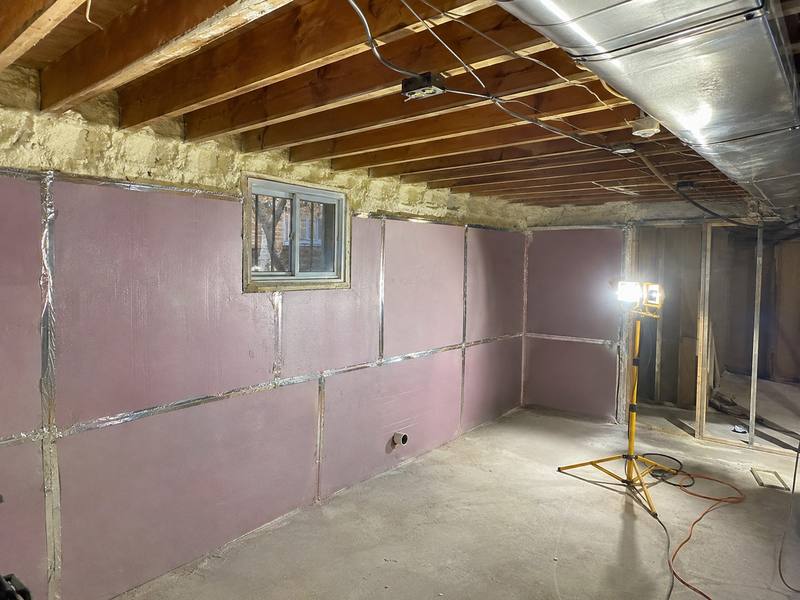
Basement Insulation
Learn more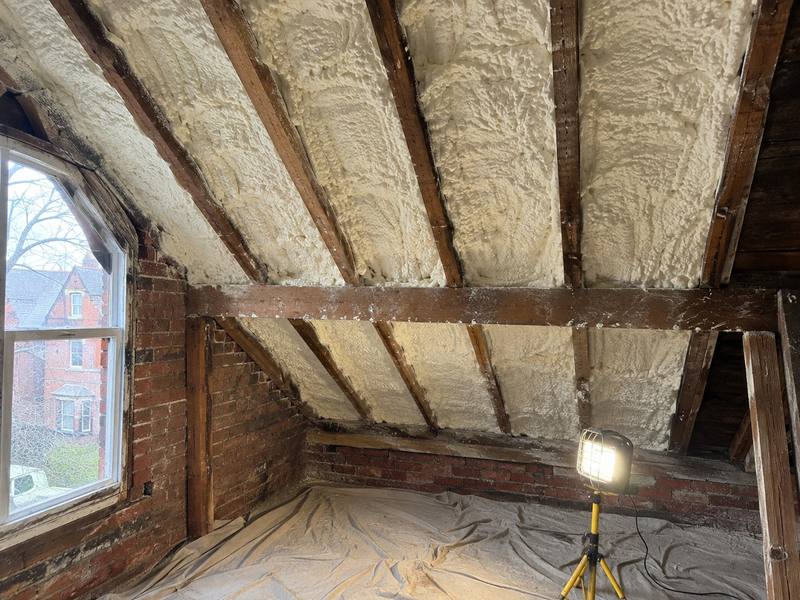
Roof & Flat Roof Insulation
Learn more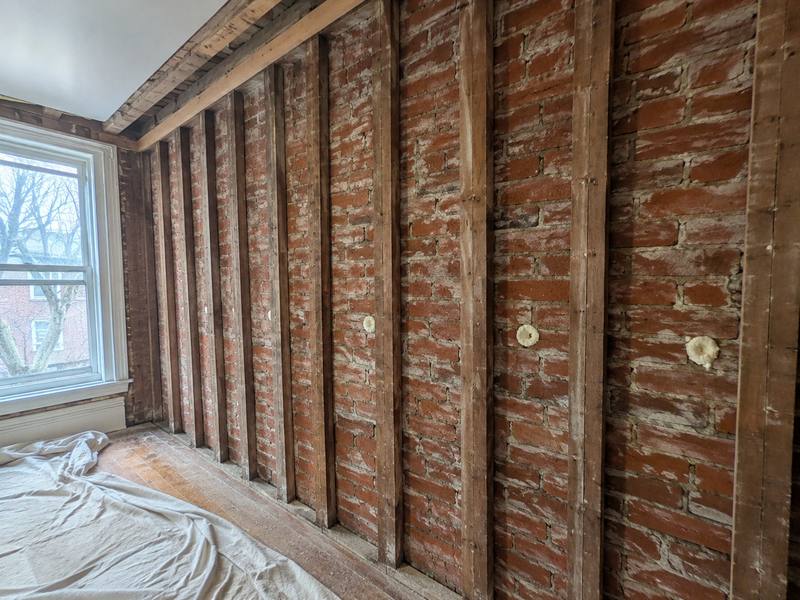
Wall Insulation
Learn more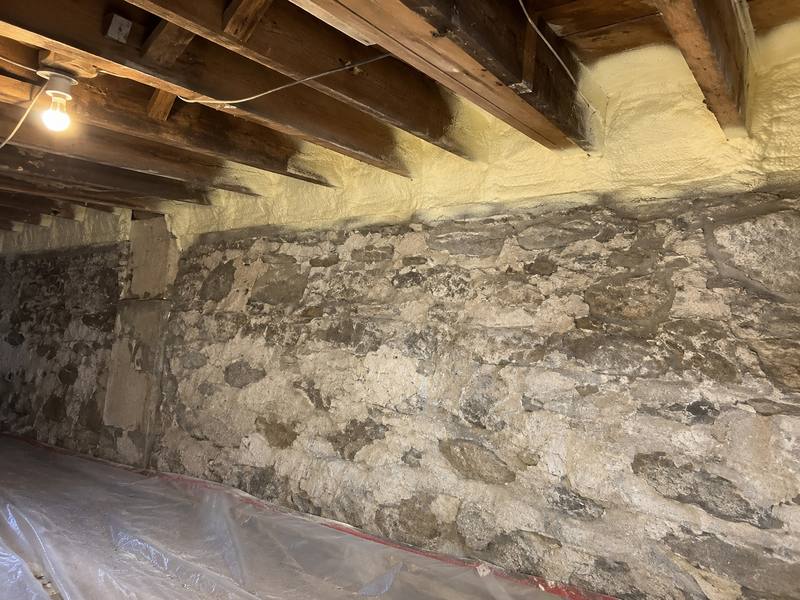
Closed-Cell Spray Foam
Learn more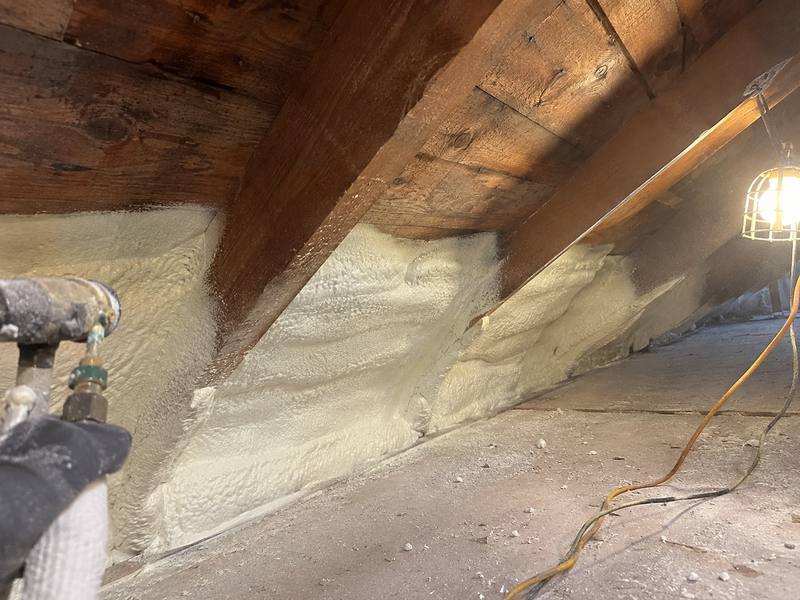
Open-Cell Spray Foam
Learn more
Spray Foam Insulation Cost
Learn more
Get a Quote
Request an insulation visit in Forest Hill
Tell us the address and which part of the house bothers you, whether that is a cold top floor, a drafty basement or a ceiling with no attic above it. Phone or use the form. We'll set up a time to look at the house, then give you a written quote.