Spray Foam Insulation in Del Ray, ON
Spray foam and attic insulation for the old cottages of Mount Dennis and the modest detached houses of Keelesdale and Silverthorn.
We install spray foam insulation in Del Ray, along with attic, basement and roof insulation, for the former cottages and small detached homes of the M6M area. Our crew is about 5 km away. The M6M postal area also takes in Mount Dennis, Keelesdale and Silverthorn, so this page is for all of them.
Former cottages and small detached homes in Mount Dennis
Mount Dennis sits mostly along Eglinton Avenue, between the Humber River and the Kitchener commuter rail line. Factory workers built their own homes there before municipal services arrived, and small developers filled in houses between them. So what you find today is mostly former cottages and small detached homes, and that changes how we insulate them.
If your house went up in stages, the addition often has its own roof and its own floor, separate from the original cottage, and each part needs its own plan. The old roof may have an attic you can get into from a hatch, while the addition sits under a flat roof with no attic at all. With no cavity to fill, a roof like that gets insulated above the deck or inside the rafter bays. Our roof and flat roof insulation page goes through both.
We look hardest at the seam where the addition meets the original house. Two sets of framing butt together there, and air moves through the gap between them. Leave that joint open and warm air gets out all winter, and the floor along the join stays cold underfoot.
Modest detached houses in Keelesdale and Silverthorn
In Silverthorn, which includes Keelesdale west of Keele Street, the houses are modest, single, detached and owner-occupied. With no shared wall to shelter it, a detached house loses heat through all four sides and the roof, so every outside surface matters.
If you're insulating a house like this a bit at a time, go in order. Start with the rim joists, where the first-floor joists end on the foundation. In an unfinished basement they're easy to reach, and for their size they let in a lot of cold air. Our basement insulation page covers rim joists and foundation walls.
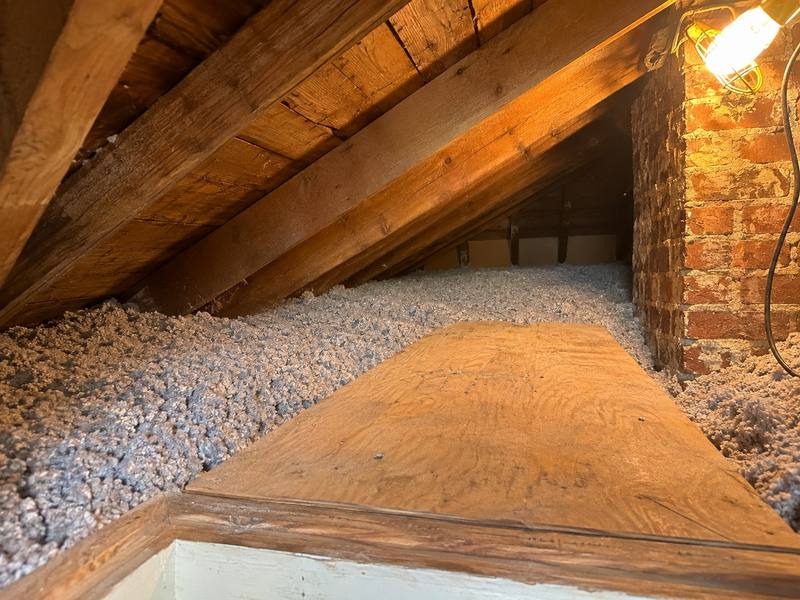
Then the attic. If it's open and you can reach it from a hatch, we seal the gaps around plumbing stacks, wiring holes and light boxes first, then build the insulation up across the ceiling joists. The attic insulation page shows how that floor gets built up.
Walls go last, ideally when they're already open for a renovation. Closed walls can be dense-packed through small holes that get patched afterwards, and that works fine. With bare framing, though, the insulation can fill every bay and seal the studs to the sheathing.
Where a little foam does the most
Closed-cell foam is worth using in small, awkward spots where air leaks and nothing else seals well. On a rim joist we spray it straight onto the wood between the floor joists. It sticks to the framing, expands into the cracks around the sill plate and sets hard. At full depth it is also the air barrier and the vapour retarder, so you don't need a separate plastic sheet.
If you have an addition, the other spot is the addition's floor where it meets the old house. Closed-cell foam sprayed into that joint closes the gap between the two sets of framing. A batt would only cover it.
An open attic is the opposite. Loose-fill cellulose or fibreglass blown across the ceiling joists settles around wiring and old batts and gives you an even depth over the whole floor, which makes better use of that space than foam would. We use spray foam insulation where it seals what nothing else can, and loose-fill where there's room for depth.
Close by: Caledonia-Fairbanks, Runnymede and Humewood-Cedarvale
We also work in the nearby neighbourhoods of Caledonia-Fairbanks, Runnymede and Humewood-Cedarvale, just south and east of here. A former cottage with an addition and a modest detached house on the next street can need very different work.
Local details for Del Ray
- Postal codes: M6M
- Distance: About 5 km away in a straight line
- Permit rules: toronto.ca
- Nearby: Caledonia-Fairbanks, Runnymede, Humewood-Cedarvale
FAQ
Insulation questions from Del Ray
We insulate a former cottage in Mount Dennis part by part, treating the original house and any addition separately, since each often has its own roof and floor. Closed-cell foam goes on the rim joists and into the joint where the addition meets the old house. If the original cottage has an open attic, we seal the gaps around stacks and wiring and then blow loose-fill across the ceiling joists.
On the rim joists first, then wherever an addition's floor meets the original house. Both are small areas where air leaks through gaps a batt can't seal. An open attic floor is better done with loose-fill, which builds an even depth across the whole floor.
No. The city does not require a building permit to add or replace insulation in Del Ray, though the work still has to meet the Zoning Bylaw. If the insulation is part of a bigger renovation, like an addition, that project may need its own permits.
Services
Services in Del Ray, ON
Attic Insulation
Learn more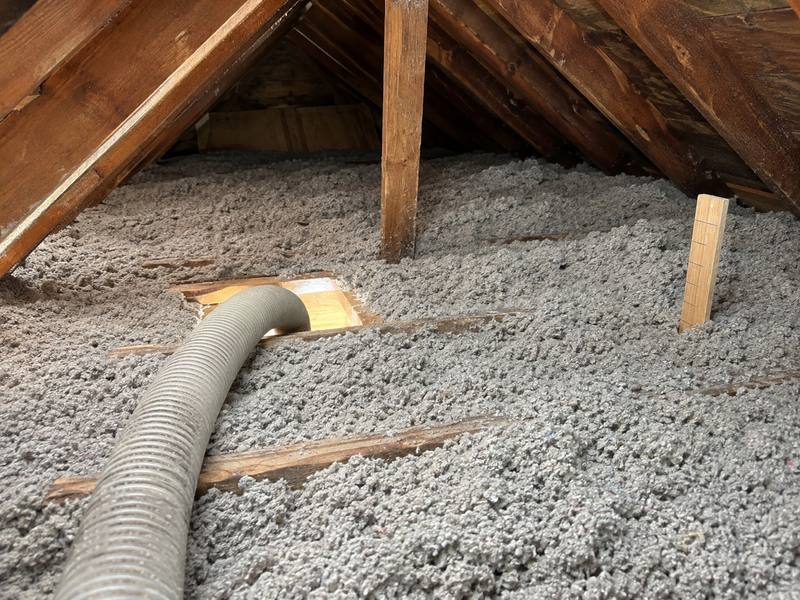
Loose-Fill (Blown-In) Insulation
Learn more
Old Insulation Removal
Learn more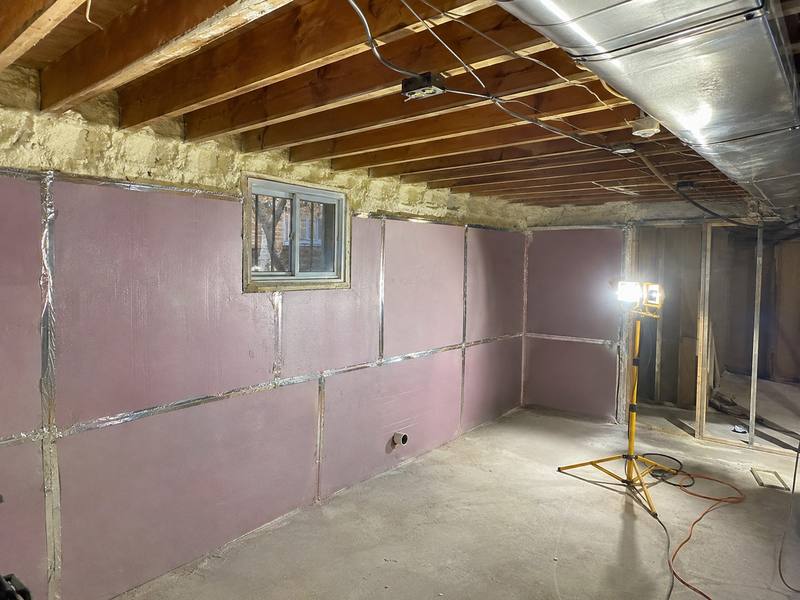
Basement Insulation
Learn more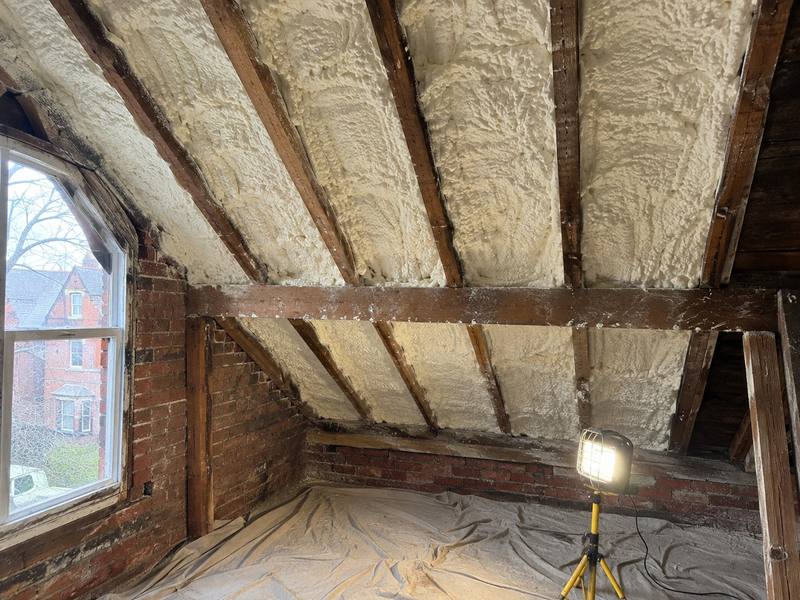
Roof & Flat Roof Insulation
Learn more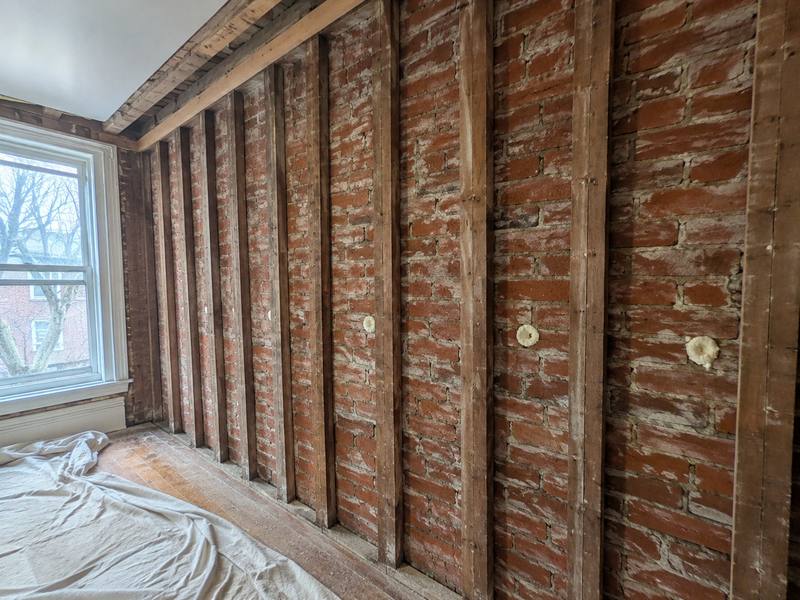
Wall Insulation
Learn more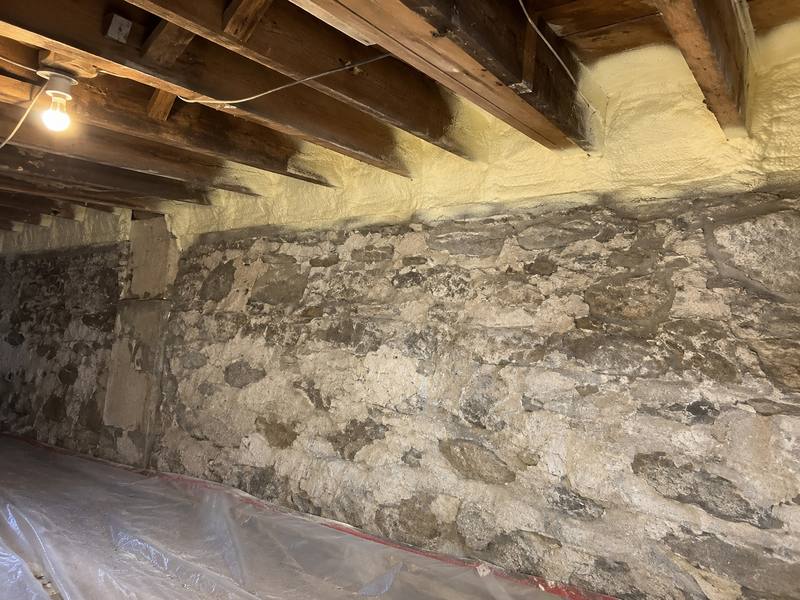
Closed-Cell Spray Foam
Learn more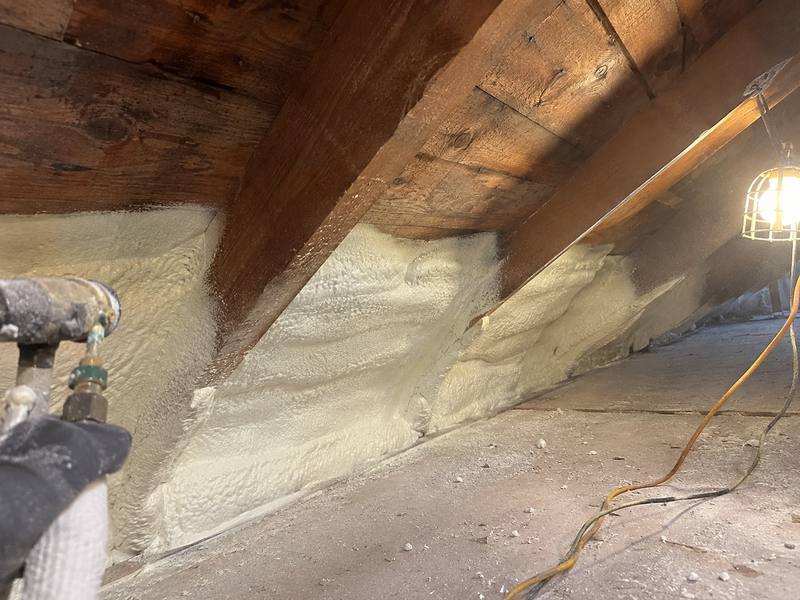
Open-Cell Spray Foam
Learn more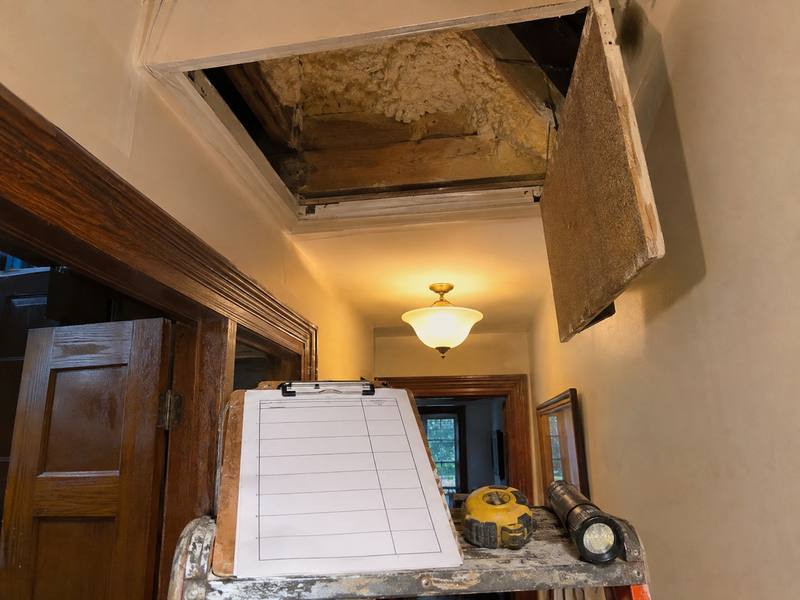
Spray Foam Insulation Cost
Learn more
Get a Quote
Request an insulation visit in Del Ray
Tell us the address and which part of the house bothers you, whether that is a cold top floor, a drafty basement or a ceiling with no attic above it. Phone or use the form. We'll set up a time to look at the house, then give you a written quote.