Spray Foam Insulation in Runnymede, ON
Spray foam and attic insulation for the brick Craftsman houses north of Bloor Street, and for the semis and bungalows of Swansea.
We install spray foam insulation in Runnymede, along with attic and wall insulation. The two-storey brick houses here sit north of Bloor Street. It's about 3 km from us. This page covers the M6S and M6N postal areas, and Swansea along with them.
Two-storey brick Craftsman houses
Runnymede lies north of Bloor Street, between Jane Street and Runnymede Road. Most of its houses are two-storey brick, and many are in the American Craftsman style. On the streets above the shopping strip, that style decides more about the insulation job than anything else.
A Craftsman roof usually means deep eaves and a low attic, and the eaves have to stay clear. Outside air comes in through the soffit vents and rises along the underside of the roof deck to the vents near the peak. Pack insulation into that edge and the air stops moving. Then the roof deck stays damp all winter, and ice can build up along the eaves.
Before any insulation goes in, we fit a baffle (also called a rafter vent) in each rafter bay. It holds an open air channel against the roof deck, so the insulation can run out over the top plate of the wall without blocking the vents. Where it's too tight to get loose-fill out to the edge, we spray closed-cell foam onto the top plate, which gets the insulating value into a thin layer. If a brick chimney or plumbing stack comes up through the attic floor, we seal the gaps around it first, since warm, moist air rises through them into the attic. Our attic insulation page covers how the attic floor itself gets built up.
Rebuilds and big renovations
Runnymede sees a lot of renovation, and plenty of older homes are being torn down to make way for larger, more modern ones. Either kind of project gives you something an old house rarely does: bare framing.
With the walls and ceilings open, closed-cell spray foam can go straight into the stud and rafter bays. It bonds to the sheathing and framing, expands into the cracks between them and sets hard. At full depth it is also the air barrier and the vapour retarder, so you don't need a separate plastic sheet behind the drywall. That matters most on a sloped or cathedral ceiling, where there's no attic for loose-fill and the rafter bay is the only room the insulation has. The closed-cell spray foam page explains how it's sprayed and how deep it goes, and our main page sets out the difference between open-cell and closed-cell foam.
If you're planning an addition or gutting a floor, sort out the insulation before the drywall goes up. Once the walls are closed, the only way left into the wall cavities is dense-packing through small holes. That's solid work, but it can't seal the framing the way foam on a bare wall can.
Swansea semis and bungalows built 1905 to 1935
Swansea has a lot of semi-detached houses and bungalows in its centre, and the typical Swansea house went up between 1905 and 1935. If yours dates from those years, whatever is in the attic probably went in layer by layer over the decades. So the first job is to look at what's there and what shape it's in.
In a bungalow, the attic runs under the whole roof. The middle is open and easy to reach from the hatch, but the space pinches down at the edges where the rafters drop to meet the walls, and that split decides the method. The open floor suits loose-fill insulation: we blow cellulose or fibreglass across the ceiling joists to an even depth, and it settles around wiring and old batts without leaving gaps. At the low edges, where a hose can't reach without crushing the vent space, we put foam on the top plate and fit baffles to keep the soffit air moving.
In a semi, the attic is sometimes open to your neighbour's side at the party wall. If yours is, that opening is a fire-separation matter for a qualified contractor or the City, and we point it out before we insulate your side.
Close by: High Park, Brockton and Dufferin
The closest neighbourhoods we also serve are High Park, Brockton and Dufferin, all a short drive away.
Local details for Runnymede
- Postal codes: M6S, M6N
- Distance: About 3 km away in a straight line
- Permit rules: toronto.ca
- Nearby: High Park, Brockton, Dufferin
About Runnymede: Runnymede, ON on Wikipedia · Runnymede on Google Maps
FAQ
Insulation questions from Runnymede
Mostly from the attic: we fit baffles at the eaves, then build up insulation across the attic floor. Where the eaves are deep and the attic is low, closed-cell foam on the top plate covers the edge that loose-fill can't reach. We seal the gaps around any chimney or plumbing stack before the insulation goes down.
Yes, if the renovation opens the walls or ceilings down to the framing. Closed-cell foam sprayed onto bare studs and rafters insulates the cavity and stops air leaking through it in one step. Once the drywall goes back on you lose that chance, so decide while the framing is still exposed.
Loose-fill blown across the attic floor, with foam at the low edges where the roof meets the walls. A bungalow's attic spans the whole house, so the attic floor is the main surface to insulate. Baffles at the eaves keep the soffit vents open behind the foam.
Services
Services in Runnymede, ON
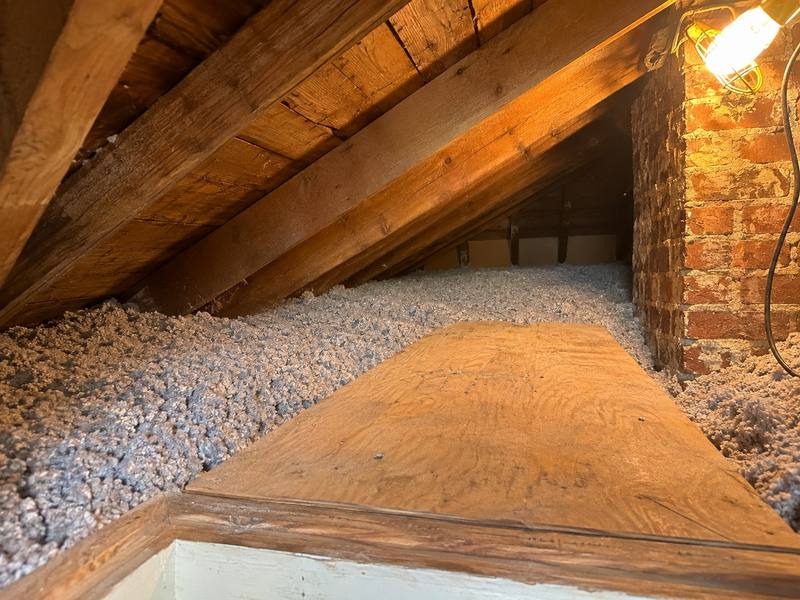
Attic Insulation
Learn more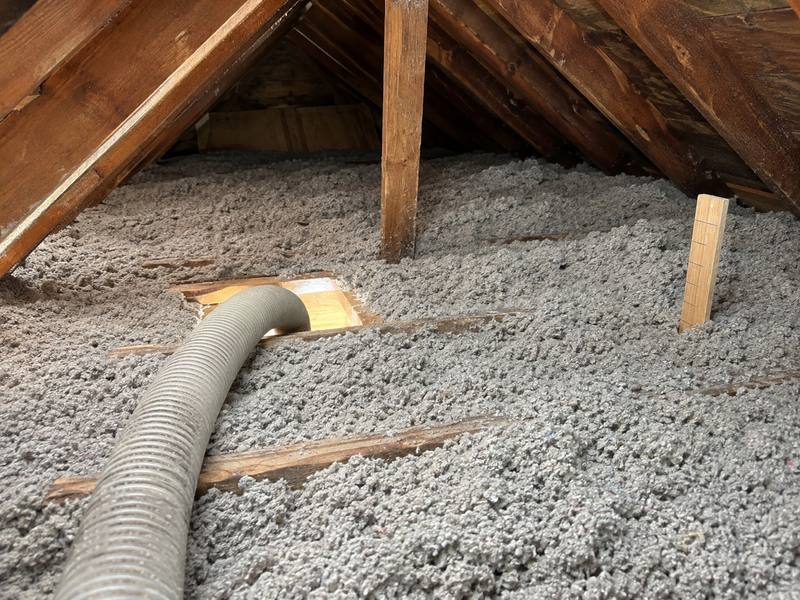
Loose-Fill (Blown-In) Insulation
Learn more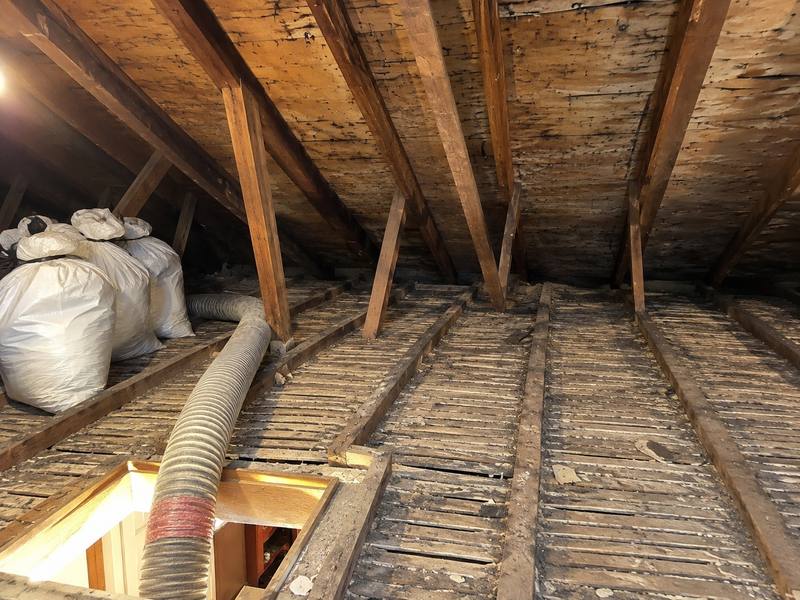
Old Insulation Removal
Learn more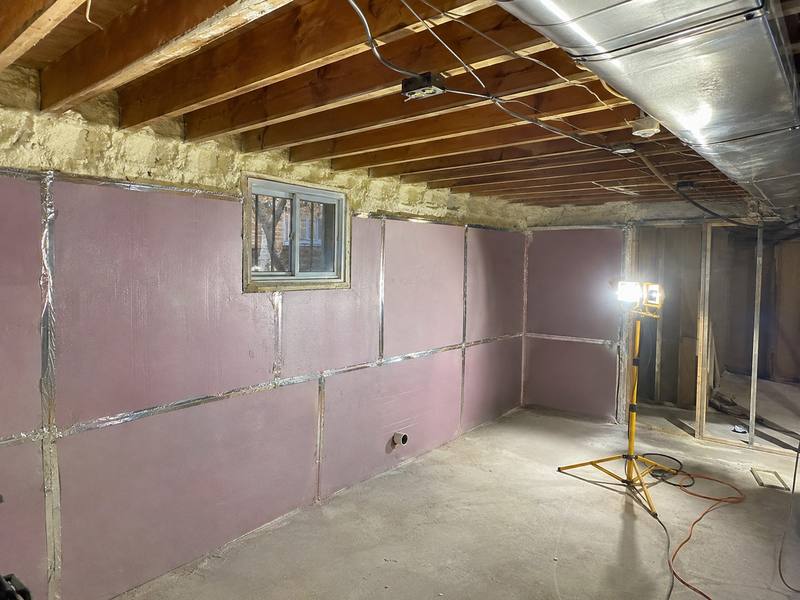
Basement Insulation
Learn more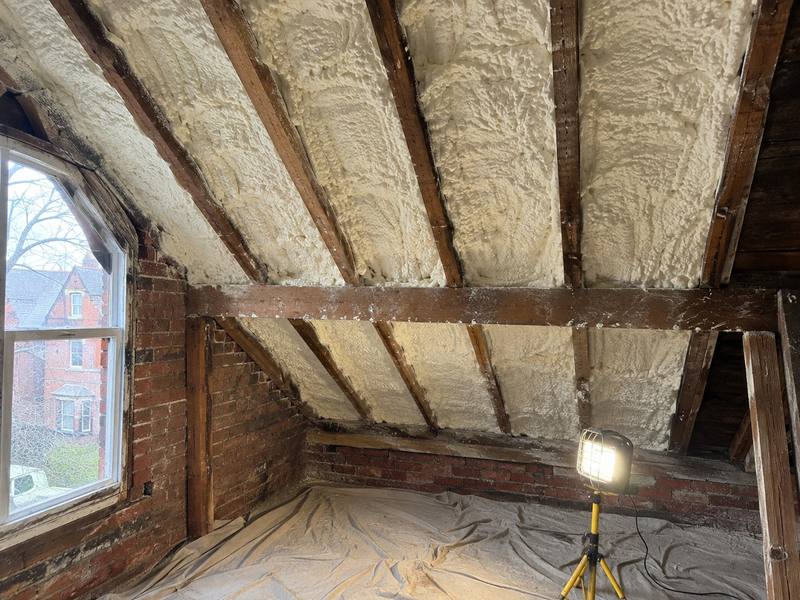
Roof & Flat Roof Insulation
Learn more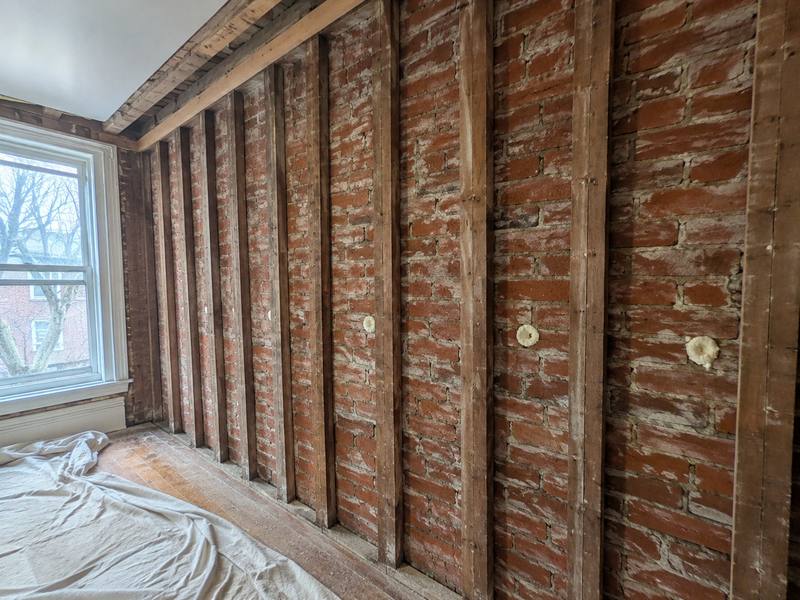
Wall Insulation
Learn more
Closed-Cell Spray Foam
Learn more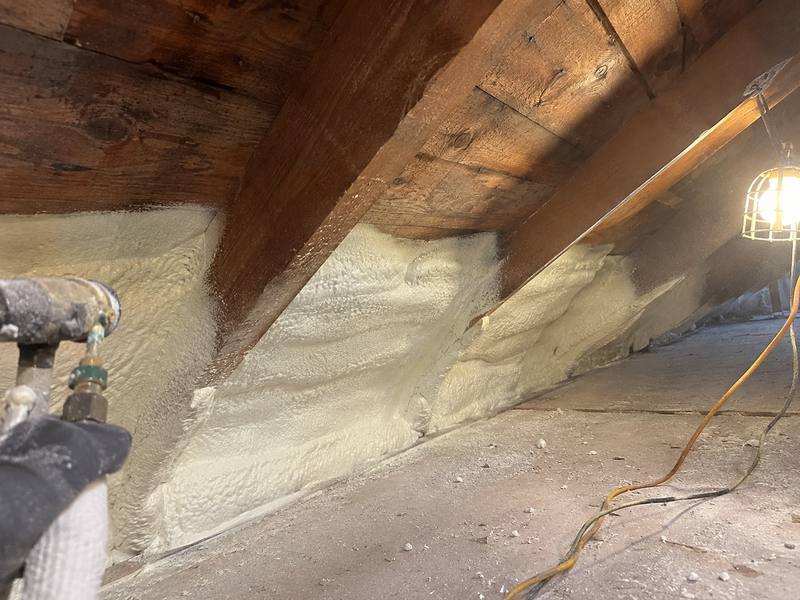
Open-Cell Spray Foam
Learn more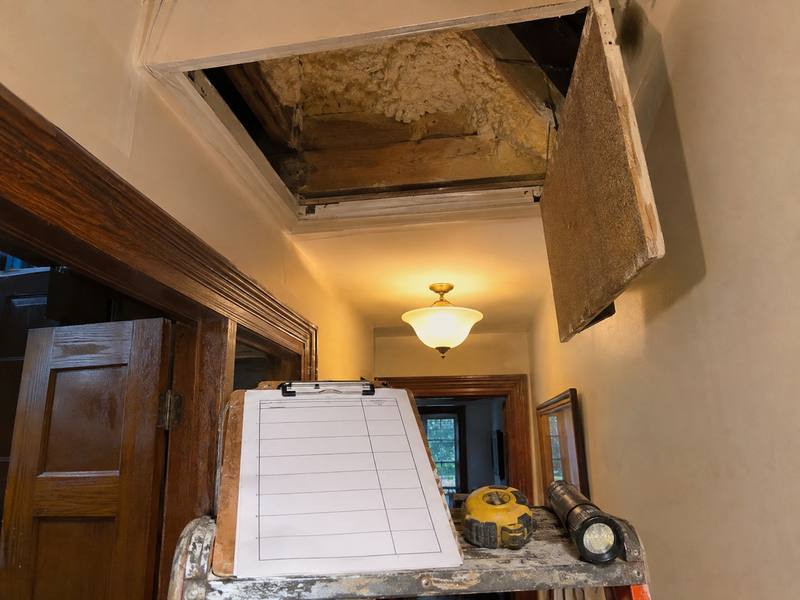
Spray Foam Insulation Cost
Learn more
Get a Quote
Request an insulation visit in Runnymede
Tell us the address and which part of the house bothers you, whether that is a cold top floor, a drafty basement or a ceiling with no attic above it. Phone or use the form. We'll set up a time to look at the house, then give you a written quote.